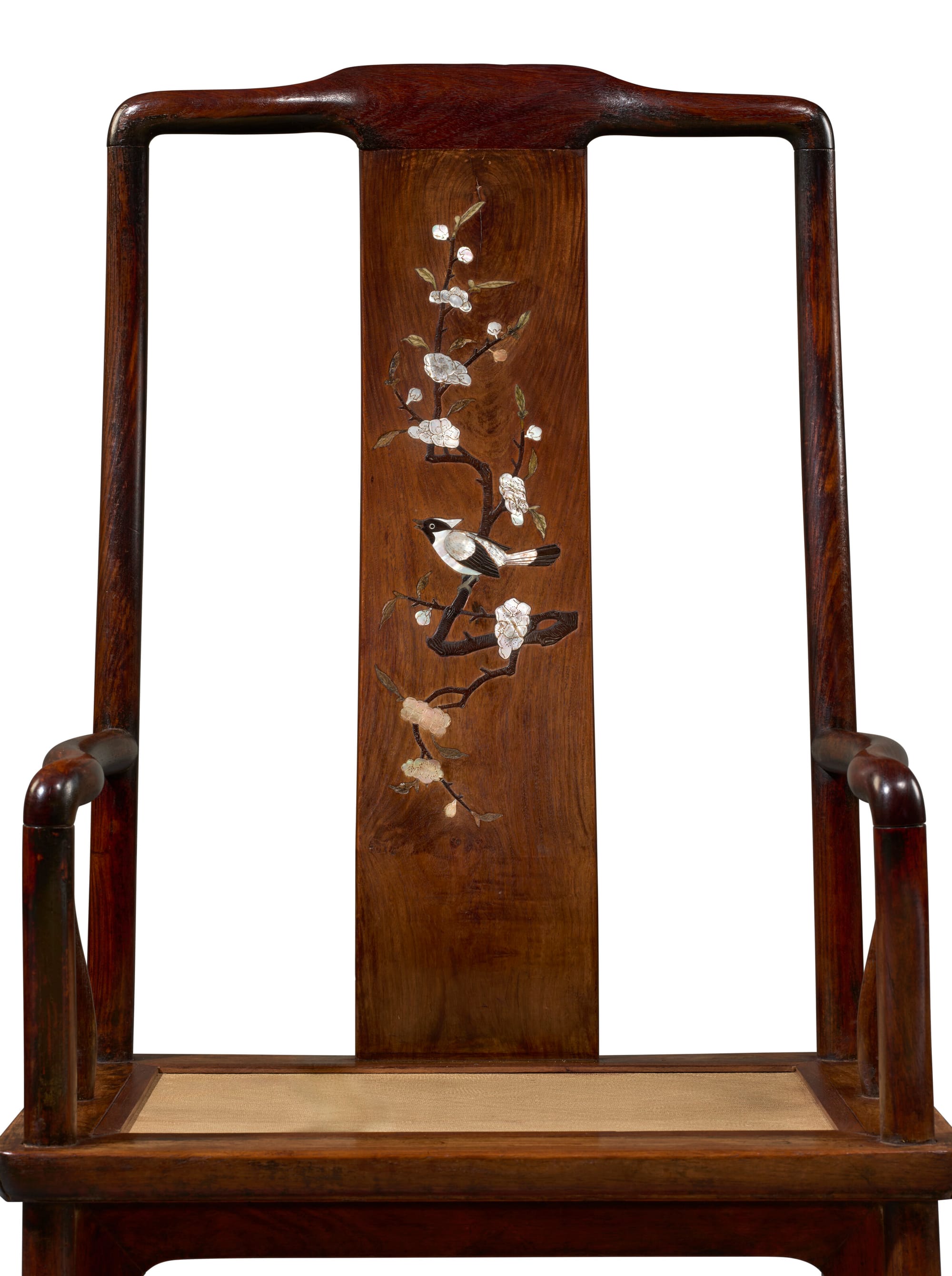
In the commission pipeline is an "inserted-shoulder tenons" coffee table in Tassie Myrtle (ah, blessed relief from Red Gum! Only three more Red Gum pieces between here and there!) that I'm very excited to start, and I've been deep in the research reading Wang Shixiang, Nancy Berliner and Sarah Handler, studying museum pieces, figuring out the joinery logic. Once I'd got my head around the construction I stopped looking at the joints and started paying more attention to the surfaces.
Most classical Chinese furniture, at least most of what survives, carries imagery, and the imagery isn't (just) decorative. A bat carved on a cabinet isn't there because someone thought bats were pretty (they aren't), it's there because the word for bat — 蝠, fú — sounds identical to the word for fortune — 福, fú. The bat is fortune. The carver isn't depicting an idea, he's making a pun in wood, and conveying a blessing of good fortune upon the eventual owner.
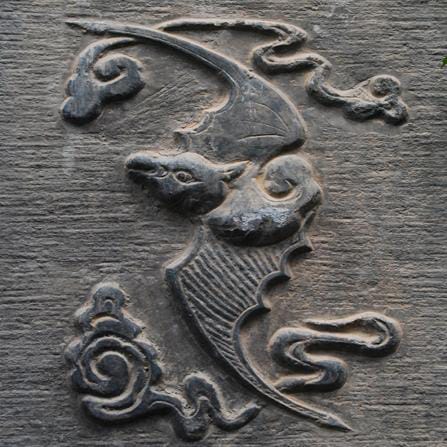
A whole "pun as a blessing" system runs on this. A fish is a wish for surplus, because 鱼 (yú, fish) sounds like 余 (yú, more than enough). A crane means longevity. A pair of mandarin ducks means conjugal love — which, for a creature that mates for life and attacks anything that comes near the nest, is either romantic or distressing, depending on your marriage. Five bats arranged around the character for longevity (寿) means the Five Blessings: long life, wealth, health, virtue, and a peaceful death. Not five vaguely auspicious qualities plucked from a Hallmark greeting card. Five specific blessings, codified, universally understood from the maker to the buyer to the scholar's third concubine. It's been this way for thousands of years.
You (assuming you're a 15th century Chinese aristocrat) commission a marriage chest, and the carver puts mandarin ducks and peonies on it — ducks for faithful love, peonies for wealth and honour — and the chest carries a blessing into the household it enters. The decoration is a sentence. It says something specific. Everyone who enters the room can read it.
And the carving is only the most obvious layer. The system doesn't stop at the surface. A bat can be carved in high relief on a cabinet panel — wings spread, fur textured, unmistakably a bat. But it can also be carved in low relief on an apron, stylised down to a few curved lines that suggest a wing without insisting on it. And below that the apron itself can be shaped like a bat wing. No "carving" at all. The structural element is the motif.
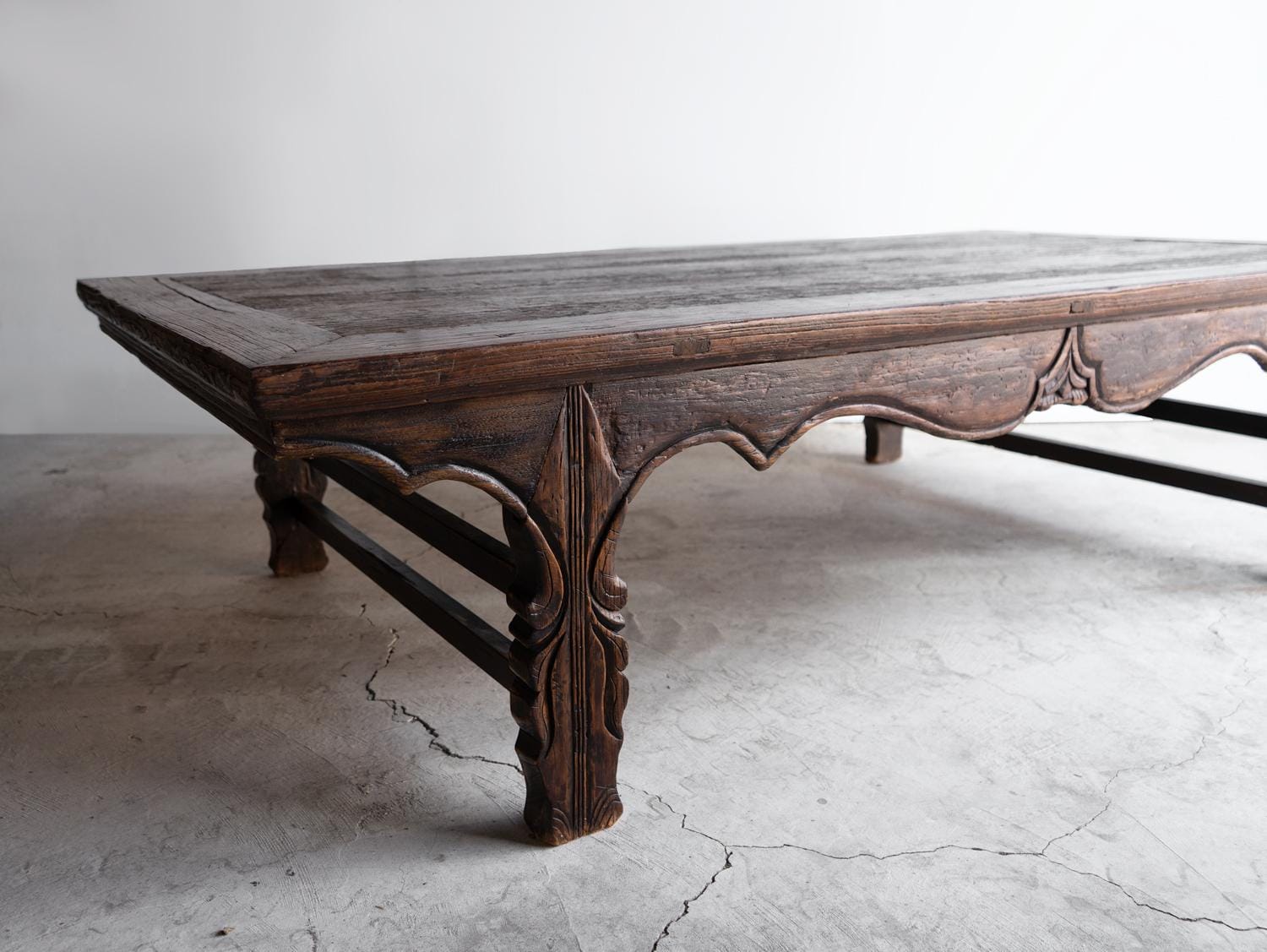
Which is remarkable, and beautiful, and — as I sit at my desk looking at the drawings for the coffee table — completely useless to me. I can carve a bat. I could perhaps carve a very good bat. But a bat carved on a coffee table in Ocean Grove is not fortune. It's an ugly, flea-ridden, rabid bat. The pun doesn't land because the buyer doesn't speak the language, and a pun that nobody gets is just a baffling decorative choice. Bats are, as discussed, not pretty. The deeper I understand why every element on a Ming piece is there, the more clearly I understand that I can't do the same thing.
So naturally my thoughts turned to the motherland and ancient Britain. Does Ol' Brittania have this?
The answer is of course it does, but... It's messy, because where China has the benefit of a single literate culture maintaining a codified symbolic vocabulary across millennia (wow, that's a sentence and a half), England has been overwritten about six times — Neolithic to Celtic to Roman to Anglo-Saxon to Norman to medieval Christian to Renaissance classical — each layer partially erasing the last.
The human impulse to scratch things into other things is universal. People put images on objects because they want the blessing that image carries to live with the object and its owner.
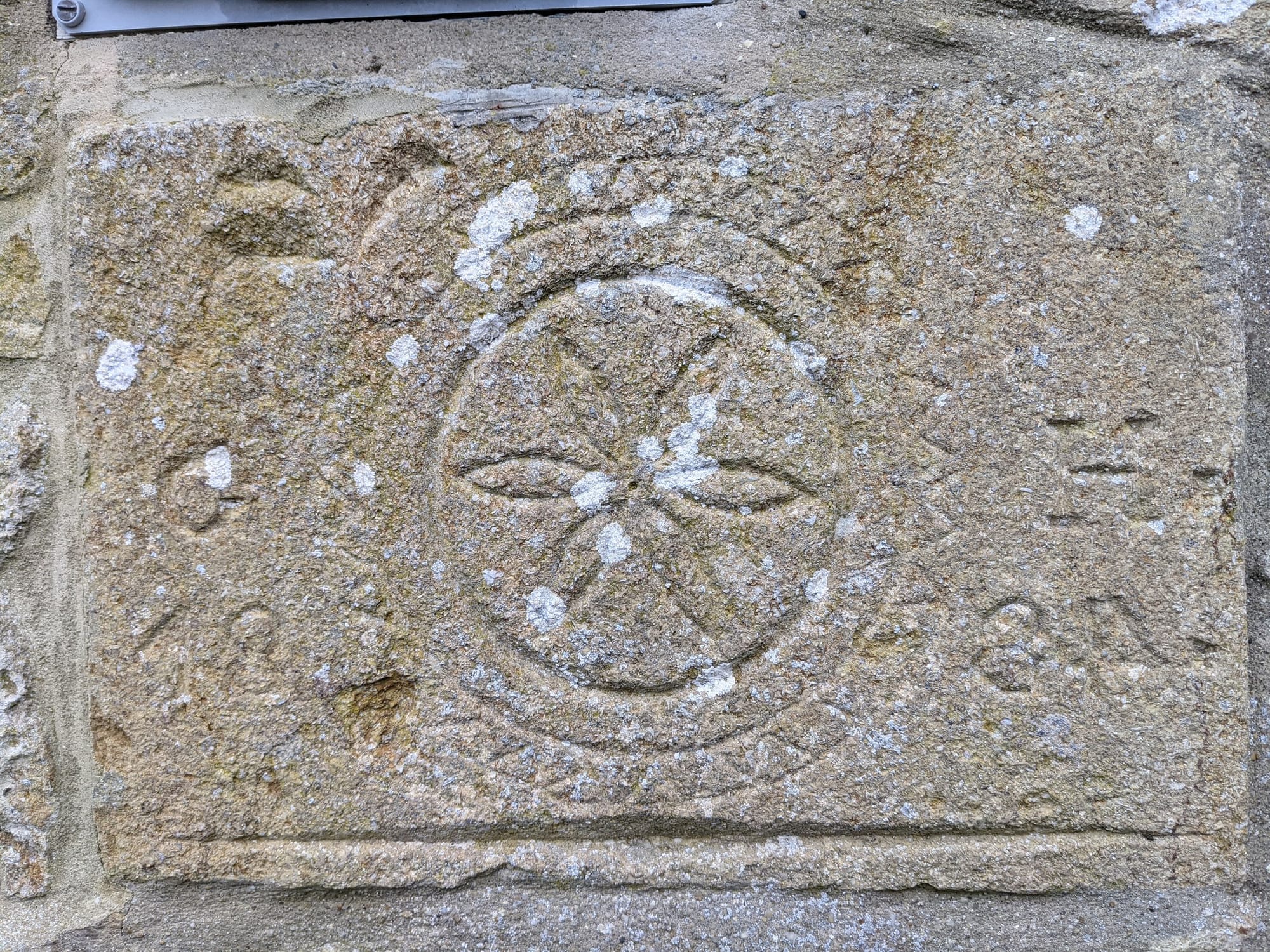
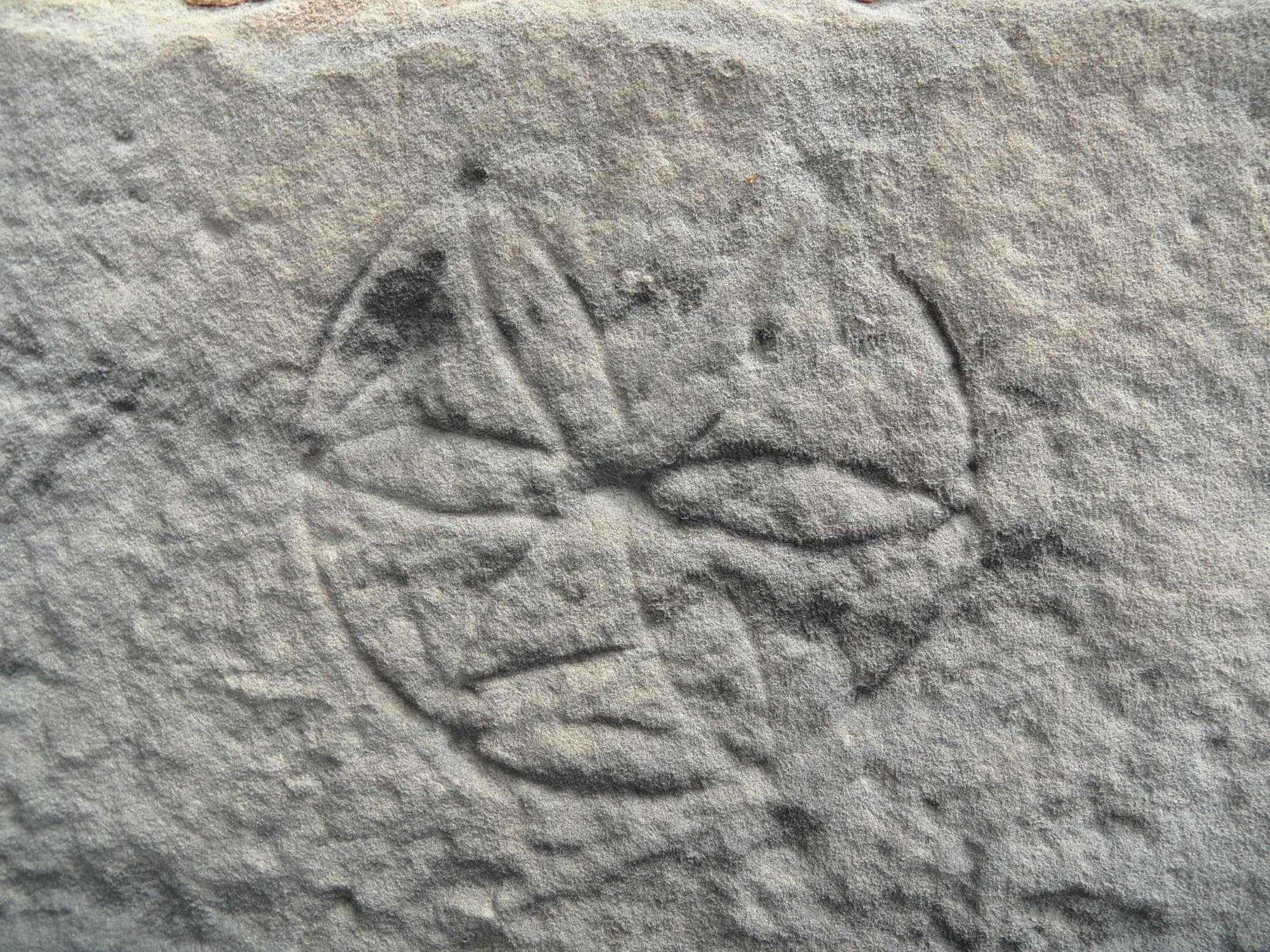
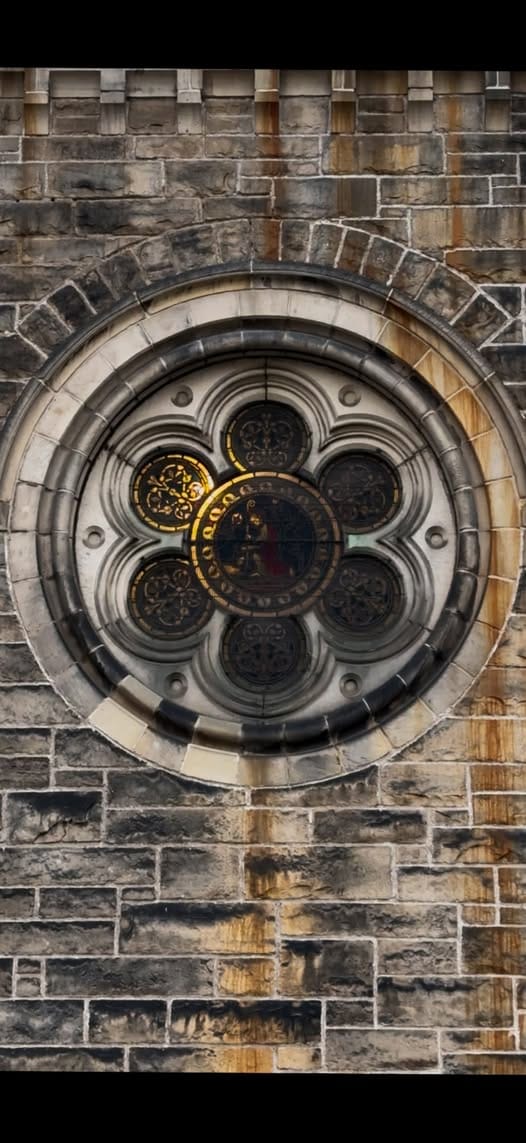
Carved in stone or formed into the window itself, evil spirits get lost in following the endless lines. Friendly spirits bring a map.
The daisy wheel is one I've seen, and failed to notice, thousands of times. A six-petaled compass-drawn flower, scratched into door frames, window lintels, chests, beams, church walls, the Tower of London. One continuous line, no beginning and no end, thought to confuse and trap evil spirits. Where China has the bagua mirror above the door to deflect evil, medieval England has this — same logic, same placement, same function. Different continent, different millennium. I've walked past these on old buildings most of my life without knowing what they were. Nobody told me. Probably nobody knew to tell me. The vocabulary was right there, scratched into wood and stone, and the culture that made it has forgotten how to read it.
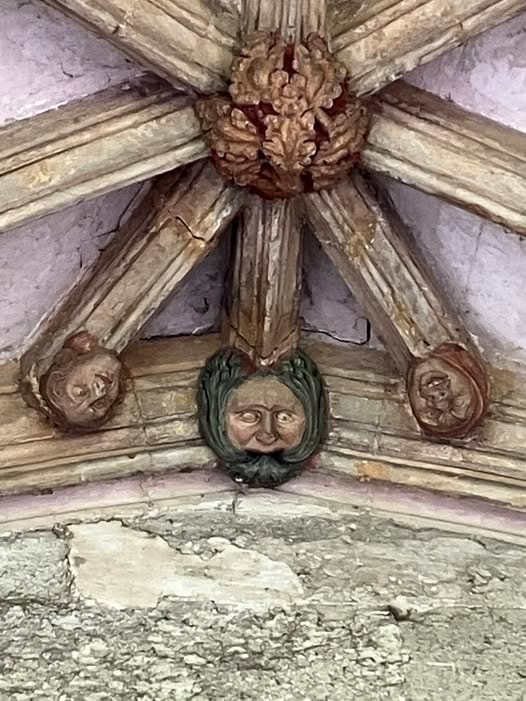
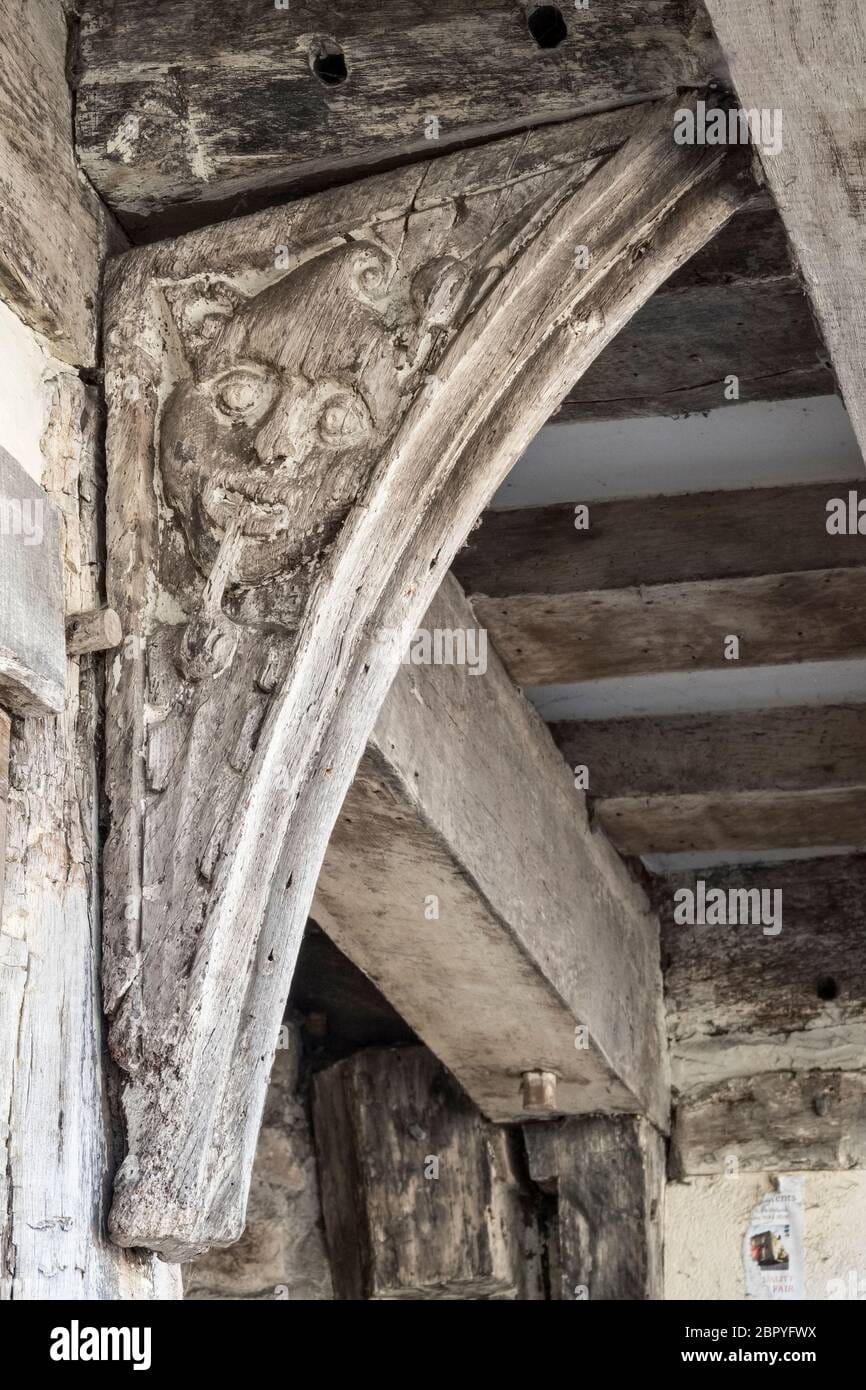
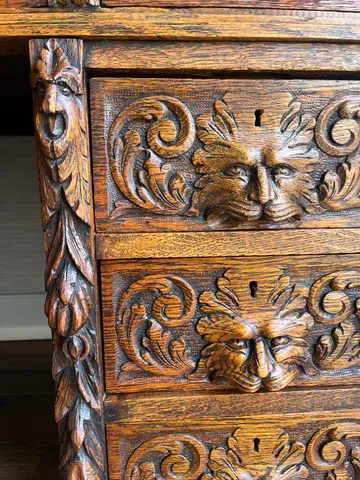
The Green Man — that foliate face with branches sprouting from its mouth — maps onto the Chinese lingzhi fungus motif. Both mean renewal, life that persists through apparent death. The Tudor rose maps onto the peony: both the "big flower" of their culture, carrying wealth, beauty, and dynastic legitimacy. The acorn does the work of the Chinese pine — endurance, strength, a slow deep patience that outlasts everything around it.
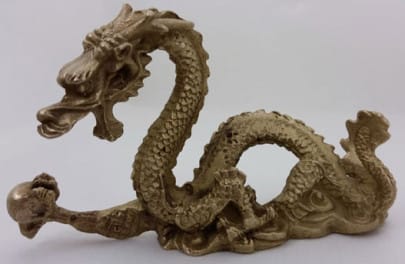
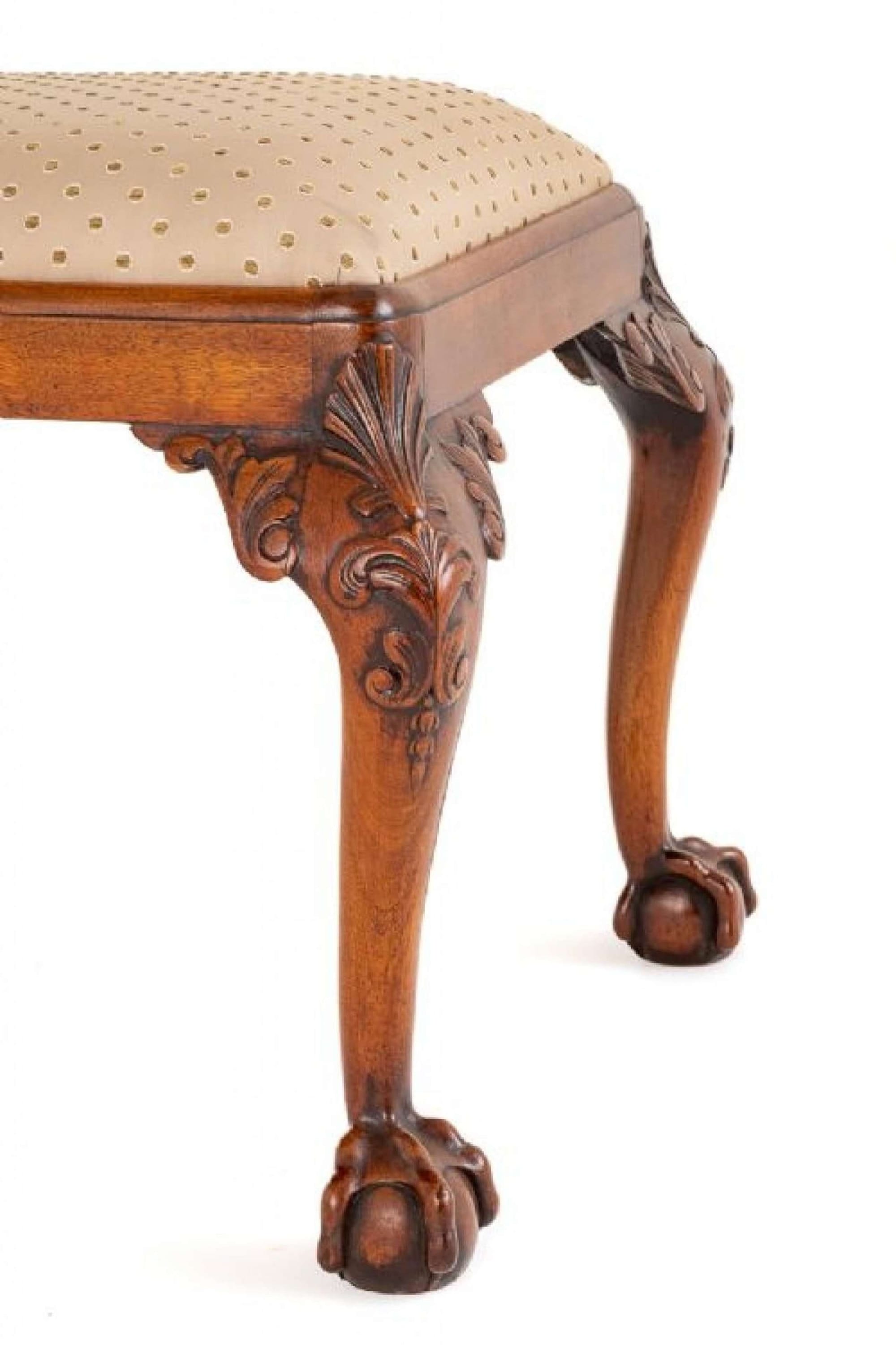
And then there's the ball-and-claw foot, which is the best joke in furniture history (to be fair, there aren't many). Most scholars now trace it to Chinese imagery of a dragon's claw clutching a pearl — a guardian motif, protective, cosmologically charged. It travelled west through pattern books and merchant trade, shedding meaning at every port, until it arrived in eighteenth-century England as "a foot." Every Georgian dining room in the country has been displaying a Chinese dragon claw for three hundred years and calling it a ball-and-claw foot, which is like calling a St. Paul's Cathedral "the pointy building." Technically accurate; spiritually bankrupt. The one case where the Chinese motif genuinely crossed into the English tradition, and it arrived stripped of everything that made it matter.
So here's where I'm left. The Chinese system is a masterpiece of codified meaning, but it runs on homophones that don't survive translation. The English system has the same depth of impulse — protection, prosperity, renewal, continuity — but the culture(s) that made it forgot the vocabulary, and the one motif that actually crossed the border arrived as ... a foot. I'm building a Chinese-form table in Australian hardwoods, in a tradition where every carved element is a sentence, and I have no language to write in.
Which means I get to invent one! Or find one, rather. A rolling wave for renewal — the Southern Ocean is right here. A sulphur-crested cockatoo for longevity and loyalty — they live to one hundred and they mate for life. A magpie to signify...winged death from above during the months of September and October?
I haven't decided yet.
Join the conversation